
Wendy Wright Talk Radio shows
via
Internet




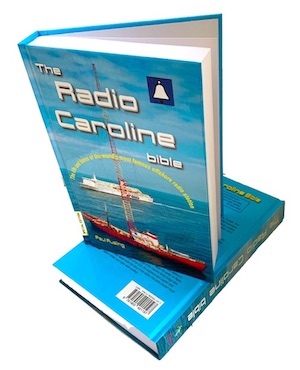
The Radio Caroline Bible is a fascinating new book that tells tells the inside story of Radio Caroline, from the very beginning of the project – right up to date and the passing of Caroline's founder, Ronan O'Rahilly, in April 2020.
The Radio Caroline Bible is packed with 'stories from the inside' about the many disasters, boardings, excitement and copious amounts of skull-duggery. There are many inside tales about the major events from all of Caroline’s four eras, told by many of the key people who made Radio Caroline happen. It has a lot of unique content & ‘never published before’ photographs.
The book is chronologically correct, is illustrated with over 300 photos and drawings, and is fully indexed. Casebound with strong covers in full colour, the Radio Caroline Bible has over 500 pages and shows the MV Ross Revenge in all her magnificence. Solidly made, this book will last for many years. It's a limited print run that will surely become a collector’s item.
Anorak?
In the Radio Caroline Bible, you can read how the term 'anorak' first came about, in early 1973. Discover who first coined the expression and what it replaced. Anoraks all happened on board the good ship Mi Amigo, the best known home of Radio Caroline.


only £26.38
incl VAT


If you think a consultant is expensive, just wait until you see how much an amateur can cost you!


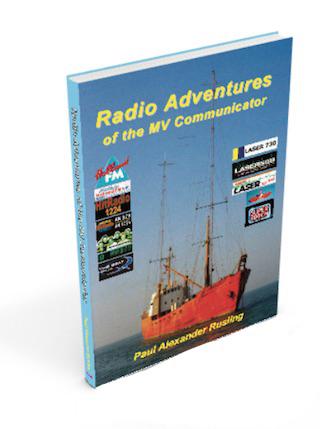
The full story of the most fun filled, action-packed radio ship of the 80s, 90s, and 00s.
The MV Communicator was the base for ELEVEN radio stations during its time on the North Sea, inland in Holland on the IJsselmeer and in Scapa Flow. She saw fun, adventure, action and thrilling drama. Read all about it with stories told by the engineers, station owners and DJs who were there.
The MV Communicator was the base for ELEVEN radio stations during its time on the North Sea, inland in Holland on the IJsselmeer and in Scapa Flow. She saw fun, adventure, action and thrilling drama. Read all about it with stories told by the engineers, station owners and DJs who were there.
Radio Adventures of
the MV Communicator



Copyright (c) 2011 - 2023 World of Radio Ltd, Registered in England and Wales # 8503418.
All Rights Reserved.
Reproduction strictly prohibited.
In 1995 Paul Rusling co-edited a book with his daughter Dawn called Who's Who in British Radio. This was a directory of people working in the radio business, in front of and behind the microphone. This sold so well they published a further edition in 2002 which was around 600 pages long.
Who's Who in British Radio 2002 met with considerable success, despite its hefty price tag of £29.95 per copy. For many years it has been an important reference work for many in the radio business.
The 1996 edition of Who's Who in British Radio is now out of print and the 2002 edition is no longer on sale via bookshops, but we found a case of them in our warehouse and are now offering copies for a mere £6.99, including P&P. You can pay by card / PayPal, but do it soon as, once these are gone, there will not be any more. It's a great souvenir and is packed with details of many of the best known (and lesser known backroom boys and girls) in British radio.
The book is quite a thick one, with 576 pages of text and pictures of many of your favourite radio people. It will give anoraks and radio afficonados many happy hours - it's also educational but hasnt been updated for twenty years so is offered pureley as a reference book and a historical souvenir.


TOP-QUALITY !
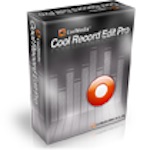
Audio Recording and editing software Cool Record Edit helps you transfer tapes, LPs, live performances, Internet radio, TV, DVD, or any other sound source to your hard drive. The software helps protect your valuable recordings--just set the sound source, the recording quality, and volume, then start recording.
(Windows XP only)
Click Box
for details
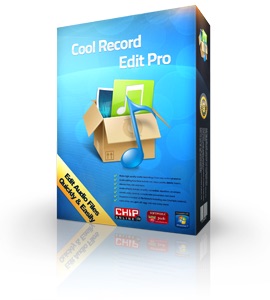

Click
SIMcard
for details
Mobile SIM offers
FREE SMS texts
FREE CALLS
Huge Data deals
(Ideal for radio!)
iRig Recorder
No need to drag a heavy recorder around with you as your Smartphone can do the job even better. All you need is the iRig app, which instantly turns your smartphone into a great quality digital recorder. You can edit on screen and transmit the finished recording back to base in seconds by email.
for details.


Another title from prolific author David Lloyd, a man with a successful career in many areas of the UK radio industry. David is a seasoned radio executive who's worked across all formats in the UK - managing the Century, Galaxy, LBC and Virgin brands.
This book is a great guide to some of the skiills needed to work in UK radio. There are thirty chapters, covering Words, Music Radio Presentation, Interviewing, Production, Double Acts, Presenter Branding, The Art Of Storytelling, Podcasting and much much more.
Anorak?
In the Radio Caroline Bible, you can read how the term 'anorak' first came about, in early 1973. Discover who first coined the expression and what it replaced. Anorks all happened on board the good ship Mi Amigo, the best known home of Radio Caroline.
The sixth edition of Radio Production is a 434 page comprehensive guide, designed for professionals and students interested in understanding the radio industry in today’s ever-changing world. This book features up-to-date coverage of the purpose and use of radio with detailed coverage of current production techniques in the studio and on location.
There is also exploration of technological advances, including handheld digital recording devices, the use of digital, analogue and virtual mixing desks and current methods of music storage and playback. Within a global context, the sixth edition also explores American radio by providing an overview of the rules, regulations, and purpose of the Federal Communications Commission.
A Radio Presenters Guide to the Law is a potentially very useful manual for presenters of all types. With libel and slander laws pervading almost every corner of media, and legal costs potentially a killer for small scale radio operators, the advice and guidance in this book is very important.
How would you deal with allegations of defamation and contempt? Perhaps the best advice is to avoid it altogether and this book can help you do just that. It's a manual that describes what you can and what you must not quote from newspapers.
Hang The DJ is written by BBC Journalist and Trainer Paul Hollins. The book also has contributions from legendary radio guru and consultant Paul Chantler, who has considerable experience as a journalist and news editor in radio. Hang The DJ is available as a 84 page softback book for £14.99 or as a Kindle for £9.35 from Amazon. A lack of knowledge of these laws is no defence if you find yourself involved in legal proceedings, so this book includes plenty of real-life examples of things that have gone wrong in the past. The aim is to give broadcasters the knowledge and confidence to avoid similar mistakes.
This is a practical, how-to guide to producing and presenting radio programmes to a professional standard. The book is full of good advice that captures the essence and buzz of live broadcasting. It deals with all aspects, from preparing shows, including last minute changes to the running order.
This book also tells radio entrepreneurs how to sell a feature or promote a programme, how to set up competitions and how to think on your feet when hosting phone in shows.
The book covers network and commercial, music and talk radio skills. It will particularly suit the independent local or community radio sector, which is where many radio professionals often start out. It features advice from many of the radio industry's professionals. The book covers best practice with enough 'need-to-know' technical information to get you up and running. It has tried and tested tips from Peter Stuart who is a specialist BBC radio trainer, and award-winning radio broadcaster with over 15 years of experience. A handbook that everyone ought to read before going on the air.

As entertaining as it is educational, Radio: The Book is a must-have guide to success for anyone interested in a career in radio.
Providing a wealth of information and relating his own personal experiences, veteran radio personality, Program Director and Programming Consultant Steve Warren shares trade secrets and industry know-how that would usually take years to accumulate through experience. An invaluable advantage over your competition, this "cheat-sheet" for the radio programmer includes practical advice regarding:
Providing a wealth of information and relating his own personal experiences, veteran radio personality, Program Director and Programming Consultant Steve Warren shares trade secrets and industry know-how that would usually take years to accumulate through experience. An invaluable advantage over your competition, this "cheat-sheet" for the radio programmer includes practical advice regarding:
- ·Radio as a career--from tips on getting started to job negotiations
- ·Programming--talk radio and music, from format science to picking the hits
- ·Relationships with listeners--everything from staying in touch with your audience to public image
- ·Branding, marketing, and advertising the radio station
- ·Research--music tests, audience analysis, ratings, and more
- ·Practical information about management policies
- ·Radio realities--information on (Amercan) rules and regulations
As entertaining as it is educational, Radio: The Book is a must-have guide to success for anyone interested in a career in radio.
Providing a wealth of information and relating his own experiences, veteran radio DJ, PD and Consultant Steve Warren shares secrets and industry know-how that would usually take years to accumulate through experience. An invaluable advantage over your competition, this "cheat-sheet" for the radio programmer includes practical advice regarding:
- Radio as a career--from tips on getting started to job negotiations
- ·Programming--talk & music, from format science to picking the hits
- ·Relationships with listeners--everything from staying in touch with your audience to public image
- ·Branding, marketing, and advertising the radio station
- ·Research--music tests, audience analysis, ratings, and more
- ·Practical information about management policies
- ·Radio realities--information on (Amercan) rules and regulations
2. Broadcast Licensing in Europe.
3. Radio studios – what kit do you need?
4. Radio transmission - transmitters, etc.
5. Audio processing for broadcast radio.
6. Radio jingles and Station IDs.

Radio Production
by Robert McLeish
and Jeff Link
6th edition
Highly
Recommended
Radio is a medium of seemingly endless contradictions. Now in its third century of existence, the technology still seems startlingly modern; despite frequent predictions of its demise, radio continues to evolve and flourish in the age of the internet and social media.
This book explores the history of the radio, describing its technological, political, and social evolution, and how it emerged from Victorian experimental laboratories to become a near-ubiquitous presence in our lives.
Alasdair Pinkerton's story is shaped by radio's multiple characters and characteristics--radio waves occur in nature, for instance, but have also been harnessed and molded by human beings to bridge oceans and reconfigure our experience of space and time. Published in association with the Science Museum, London, Radio is an informative and thought-provoking book for all enthusiasts of an old technology that still has the capacity to enthuse, entertain, entice, and enrage today.

Radio - Making Waves in Sound
by Alasdair Pinkerton
REVIEW
"Pinkerton's account of the scientific journey towards sending sounds by electromagnetic energy is fascinating, as are the human implications of this technology, all the way from Morse code to mobiles, Crippen's arrest to the age of the podcast.
Radio, rather than television, is the greatest popular miracle of the twentieth century. Yet Pinkerton's account stretches back to ancient philosophers, Zeus' monopoly on lightning, and the enduring fascination of both magnetism and electricity. There are many fine nuggets here."--
by David Hendy, author of Noise: A Human History of Sound and Listening " in the Times Literary Supplementa

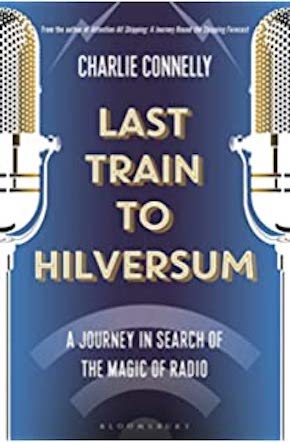
Despite the all-pervading influence of television an astonishing ninety per cent of people in Britain still listen to the radio, clocking up over a billion hours of listening between us every week. It's a background to all our lives: we wake up to our clock radios, we have the radio on in the kitchen as we make the tea, it's on at our work and in the car.
In Last Train To Hilversum Charlie Connelly explores the place of radio in our world, taking stock of the history of the medium and celebrating its role as one of the very few genuinely shared national experiences. He explores some of the geniuses, crackpots and charlatans who helped to give us the radio we know today, talks to some of our great contemporary broadcasters from Corrie Corfield to Cerys Matthews, visits Britain's smallest commercial station and amplifies the voices, personalities and programmes that have helped to form who we are as individuals and as a nation.
Part nostalgic reverie, part social history, part travelogue, Last Train To Hilversum is Connelly's love letter to radio, exploring our relationship with the medium from its earliest days to the present in a journey from the wireless to wireless.
The Last Train to Hilversum
by Charlie Connelly

A look at the history of the biggest radio station in Europe throughout much of the 20th Century. The ‘Great 208’ entertained millions and helped shape European listening habits during the last century. The book, which has been a project lasting a decade, features exclusive contributions from stars of the golden age of music and broadcasting. Nathan Morley traces the origins of Luxembourg, its pioneering spirit and long forgotten characters and shows. Luxy's days as a Nazi propaganda station, then as a US psychological warfare channel.
Faced with a hostile BBC and the pop pirates, Radio Luxembourg managed to survive the 60s and 70s. Personal memories are shared by Noel Edmonds, Paul Burnett, Kid Jenson, Roger Day, Benny Brown, David Symonds, Colin Nichol, Timmy Mallett, Tony Blewitt, Alton Andrews and Emperor Rosko, who all give their take on the era, in addition to contributions from pop stars. Stories too from Luxy Controllers Alan Keen and Ken Evans and Radio One’s boss Johnny Beerling. This is a well researched portrait of British broadcasting history, and one which is aided by many of the personalities, staff and stars that were associated with it.
One of radio's biggest stories and vital reading for any student or fan of radio - the greatest medium ever.
The Radio Luxembourg Story
by Nathan Morley
Nathan Morley is a journalist based in Cyprus. He has filed repoprts for Deutsche Welle, ORF and Vatican Radio from across Europe for the last two decades, as well as working with Voice of America and Radio Netherlands. He ewas a news anchor on Cyprus state television and radio, as well as writing for the Cyprus Mail.
Nathan is passionate about 20th century European history, and his subjects included Erich Honecker, Berlin at war and the Chernobyl disaster.
Who were the original Goons?
What is happening when presenters ‘crash the pips’?
Which radio programme has featured guest appearances by Alan Titchmarsh, Mike Gatting and Kirstie Allsopp?
From Farming Today at sunrise to the gentle strains of ‘Sailing By’ and the Shipping Forecast long after midnight, Radio 4 provides the soundtrack to life for millions of Britons.
In For the Love of Radio 4: An Unofficial Companion, Caroline Hodgson celebrates all that’s best about the nation’s favourite spoken word station, taking us on a tour through its history, its key personalities and programmes, and countless memorable moments from the archives.
For the Love of Radio 4
by Caroline Hodgson

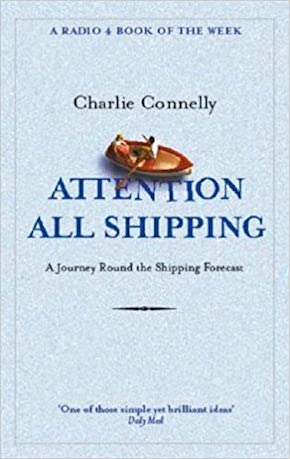
Attention All Shipping
by Charlie Connelly
In an age when the airwaves were tightly controlled by the authorities, pirate radio was the illicit and illustrious haven for music lovers across the nation. From the first broadcast in 1964, the cowboys of the radio world fed their listeners desire for pop and rock music and, by doing so, changed British radio forever.
Through more than 100 crisp, black-and-white photographs, 'Pirate Radio: An Illustrated History' brings to life the golden years of pirate radio. Featuring pictures of the crew, the boats and the fans, this book takes the reader on a journey from the formative years of pirate radio, through its political persecution and beyond.
Pirate Radio:
An Illustrated History
Keith Skues & David Kindred
2020 marks the centenary of Marconi's experimental transmissions and this book seeks to commemorate this anniversary. The book examines the history of radio and traces its development from theories advanced by James Clerk Maxwell and Heinrich Hertz to the first practical demonstrations by Guglielmo Marconi. It looks back to the pioneering broadcasts of the BBC, examines the development of broadcast networks in North America and around the world. I
The Radio Broadcasting book spotlights radio's role in the Second World War. The book also features the radio programmes and radio personalities that made a considerable impact on the listeners during the Golden Era'. It also examines how radio, faced by competition from its electronic progenitor - television, adapted and survived. Indeed radio has continued to thrive despite increased competition from mobile phones, computers, mp3 players and smart speakers.
Radio Broadcasting also looks to the future and speculates how radio will fare in a multi-platform future.

Radio Broadcasting; a history of the Airwaves
by Gordon Bathgate

It was in 1873 that Scottish physicist James Clerk Maxwell first advanced the idea that there might be electromagnetic waves that were similar to light waves, a startling concept to the scientists of his day. About 13 years later, German physicist Heinrich Hertz demonstrated in his laboratory that electromagnetic radiation did indeed exist. But it was not until after Hertz's death that a young Italian named Guglielmo Marconi got the idea for a practical communications system based on Hertz's work.
Marconi was surprised and disappointed that the Italian government was not interested in his newly discovered wireless communications system, and thus he took his equipment to England. From that point on, the wireless became identified with Britain. From these beginnings, wireless radio became the basis of a revolution that has resulted in the satellite communications of today.
This history first looks at Marconi's invention and then explores its many applications, including marine radio, cellular telephones, police and military uses, television and radar. Radio collecting is also discussed, and brief biographies are provided for the major figures in the development and use of the wireless.

Wireless Radio: a History
by Lewis Coe
A Brief History of Everything Wireless:
How Invisible Waves Have Changed the World
by Petri Launiainen
Since the discovery of electromagnetic waves less than 150 years ago, the application of wireless communications technology has not only changed our daily lives, but also fundamentally altered the course of world history.
A Brief History of Everything Wireless charts the fascinating story of wireless communications. The book leads the reader on an intriguing journey of personal triumphs and stinging defeats, relating the prominent events, individuals and companies involved in each progressive leap in technology, with a particular focus on the phenomenal impact of each new invention on society. Beginning at the early days of spark-gap transmitters, this tale touches on the emergence of radio and television broadcasting, as well as radio navigation and radar, before moving on to the rise of satellite, near-field and light-based communications. Finally, the development of wireless home networks and the explosive growth of modern cellular technologies are revealed, complete with a captivating account of their corresponding company histories and behind-the-scenes battles over standards.
For those wishing to peek behind the magic curtain of friendly user interfaces and clever engineering, and delve further into various processes underlying the ubiquitous technology we depend upon yet take for granted, the book also contains special “TechTalk” chapters that explain the theoretical basics in an intuitive way.


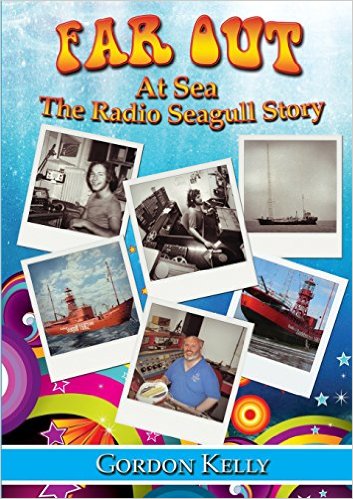
Far Out at Sea tells the story of Radio Seagull and how a bunch of renegades created a truly alternative radio station. beginning with the Radio geronimo project in 1970, Radio Seagull was wideley heard every evening in 1973 over the powerful transmitter of Radio Caroline. Hugh Nolan, Barry Everett, Norman Barrington, Johnny Jason and Dick Palmer - they are all here!
Radio Seagull then reappeared on a small lightship off the Dutch coast at Harlingen in the 21st century, where its been ever since.
Radio Seagull is now run by a dedicated bunch of free radio and music enthusiasts, led by Dutchman Sietse Brouwer. Lavishly illustrated with photographs and featuring exclusive interviews with the people involved, Far Out at Sea is a must read for all fans of offshore radio.
Far Out at Sea
The story of Radio Seagull
only £51.08
for 2.5 hour course
incl VAT
Despite the all-pervading influence of television an astonishing ninety per cent of people in Britain still listen to the radio, clocking up over a billion hours of listening between us every week. It's a background to all our lives: we wake up to our clock radios, we have the radio on in the kitchen as we make the tea, it's on at our workplaces and in our cars.
In Last Train To Hilversum Charlie Connelly explores the place of radio in our world, its role as one of the very few genuinely shared national experiences. He explores some of the geniuses, crackpots and charlatans who helped to give us the radio we know today, talks to some of our great contemporary broadcasters from Corrie Corfield to Cerys Matthews, visits Britain's smallest commercial station and amplifies the voices, personalities and programmes that have helped to form who we are as individuals and as a nation.
Part nostalgic reverie, part social history, part travelogue, Last Train To Hilversum is Connelly's love letter to radio.
Who were the original Goons?
What's happening when presenters ‘crash the pips’?
Which radio programme has featured guest appearances by Kirstie Allsopp?
From Farming Today at sunrise to the gentle strains of ‘Sailing By’ and the Shipping Forecast long after midnight, Radio 4 provides the soundtrack to life for millions of Britons.
In For the Love of Radio 4: An Unofficial Companion, Caroline Hodgson celebrates all that’s best about the nation’s favourite spoken word station, taking us on a tour through its history, its key personalities and programmes, and countless memorable moments from the archives.
This solemn, rhythmic intonation of the shipping forecast on BBC Radio Four four times a day, is as familiar as the sound of Big Ben chiming the hour. Since its first broadcast in the 1920s it has inspired poems, songs and novels in addition to its intended objective of warning generations of seafarers of impending storms and gales.
Sitting at home listening to the shipping forecast can be a cosily reassuring experience. There's no danger of a westerly gale eight, veering southwesterly increasing nine later (visibility poor) gusting through your average suburban living room, blowing the Sunday papers all over the place and startling the cat.
Yet familiar though the sea areas are by name, few people give much thought to where they are or what they contain.
In ATTENTION ALL SHIPPING Charlie Connelly wittily explores the places behind the voice, those mysterious regions whose names seem often to bear no relation to conventional geography. Armchair travel will never be the same again.
Radio Broadcasting;
a history of the Airwaves
by Gordon Bathgate
It was in 1873 that Scottish physicist James Clerk Maxwell first advanced the idea that there might be electromagnetic waves that were similar to light waves, a startling concept to the scientists of his day. About 13 years later, German physicist Heinrich Hertz demonstrated in his laboratory that electromagnetic radiation did indeed exist. But it was not until after Hertz's death that a young Italian named Guglielmo Marconi got the idea for a practical communications system based on Hertz's work.
Marconi was surprised and disappointed that the Italian government was not interested in his newly discovered wireless communications system, and thus he took his equipment to England. From that point on, the wireless became identified with Britain. From these beginnings, wireless radio became the basis of a revolution that has resulted in the satellite communications of today.
This history first looks at Marconi's invention and then explores its many applications, including marine radio, cellular telephones, police and military uses, television and radar. Radio collecting is also discussed, and brief biographies are provided for the major figures in the development and use of the wireless.
A Brief History of Everything Wireless:
How Invisible Waves Have Changed the World
by Petri Launiainen
Since the discovery of radio waves less than 150 years ago, the application of wireless communications technology has not only changed our daily lives, but also fundamentally altered the course of world history.
A Brief History of Everything Wireless charts the fascinating story of wireless communications. The book leads the reader on an intriguing journey of personal triumphs and stinging defeats, relating the prominent events, individuals and companies involved in each progressive leap in technology, with a particular focus on the phenomenal impact of each new invention on society.
Beginning at the early days of spark-gap transmitters, this tale touches on the emergence of radio and television broadcasting, as well as radio navigation and radar, before moving on to the rise of satellite, near-field and light-based communications. Finally, the development of wireless home networks and the explosive growth of modern cellular technologies are revealed, complete with an account of their company histories.
For those wishing to peek behind the magic curtain of friendly user interfaces and clever engineering, and delve further into various processes underlying the ubiquitous technology we depend upon yet take for granted, the book also contains special “TechTalk” chapters that explain the theoretical basics in an intuitive way.
The full story of the most fun filled, action-packed radio ship of the 80s, 90s, and 00s.
The MV Communicator was the base for ELEVEN radio stations during its time on the North Sea, inland in Holland on the IJsselmeer and in Scapa Flow. She saw fun, adventure, action and thrilling drama. Read all about it with stories told by the engineers, station owners and DJs who were there.
Far Out at Sea tells the story of Radio Seagull and how a bunch of renegades created a truly alternative radio station. beginning with the Radio geronimo project in 1970, Radio Seagull was wideley heard every evening in 1973 over the powerful transmitter of Radio Caroline. Hugh Nolan, Barry Everett, Norman Barrington, Johnny Jason and Dick Palmer - they are all here!
Radio Seagull then reappeared on a small lightship off the Dutch coast at Harlingen in the 21st century, where its been ever since.
Radio Seagull is now run by a dedicated bunch of free radio and music enthusiasts, led by Dutchman Sietse Brouwer. Lavishly illustrated with photographs and featuring exclusive interviews with the people involved, Far Out at Sea is a must read for all fans of offshore radio.
Radio is a medium of seemingly endless contradictions. Now in its third century of existence, the technology still seems startlingly modern; despite frequent predictions of its demise, radio continues to evolve and flourish in the age of the internet and social media.
This book explores the history of the radio, describing its technological, political, and social evolution, and how it emerged from Victorian experimental laboratories to become a near-ubiquitous presence in our lives.
Alasdair Pinkerton's story is shaped by radio's multiple characters and characteristics--radio waves occur in nature, for instance, but have also been harnessed and molded by human beings to bridge oceans and reconfigure our experience of space and time. Published in association with the Science Museum, London, Radio is an informative and thought-provoking book for all enthusiasts of an old technology that still has the capacity to enthuse, entertain, entice, and enrage today.
In 1995 Paul Rusling co-edited a book with his daughter Dawn called Who's Who in British Radio. This was a directory of people working in the radio business, in front of and behind the microphone. It sold so well they published a further edition in 2002 which was around 600 pages long.
Who's Who in British Radio 2002 met with considerable success, despite its hefty price tag of £29.95 per copy. For many years it has been an important reference work for many in the radio business.
The 1996 edition of Who's Who in British Radio is now out of print and the 2002 edition is no longer on sale via bookshops, but we found a case of them in our warehouse and are now offering copies for a mere £6.99, including P&P.
The book is quite a thick one, with 576 pages of text and pictures of many of your favourite radio people. It will give anoraks and radio afficonados many happy hours. Educational, but not updated for many years and offered as a historical souvenir.
Click book cover for more details

Click book cover for more details
2020 marks the centenary of Marconi's experimental transmissions and this book seeks to commemorate this anniversary. The book examines the history of radio and traces its development from theories advanced by James Clerk Maxwell and Heinrich Hertz to the first practical demonstrations by Guglielmo Marconi. It looks back to the pioneering broadcasts of the BBC, examines the development of broadcast networks in North America and around the world. I
The Radio Broadcasting book spotlights radio's role in the Second World War. The book also features the radio programmes and radio personalities that made a considerable impact on the listeners during the Golden Era'. It also examines how radio, faced by competition from its electronic progenitor - television, adapted and survived. Indeed radio has continued to thrive despite increased competition from mobile phones, computers, mp3 players and smart speakers.
Radio Broadcasting also looks to the future and speculates how radio will fare in a multi-platform future.
The Radio Luxembourg Story
by Nathan Morley
A look at the history of the biggest radio station in Europe throughout much of the 20th Century. The ‘Great 208’ entertained millions and helped shape European listening habits during the last century. The book, which has been a project lasting a decade, features exclusive contributions from stars of the golden age of music and broadcasting. Nathan Morley traces the origins of Luxembourg, its pioneering spirit and long forgotten characters and shows. Luxy's days as a Nazi propaganda station, then as a US psychological warfare channel.
Faced with a hostile BBC and the pop pirates, Radio Luxembourg managed to survive the 60s and 70s. Personal memories are shared by Noel Edmonds, Paul Burnett, Kid Jenson, Roger Day, Benny Brown, David Symonds, Colin Nichol, Timmy Mallett, Tony Blewitt, Alton Andrews and Emperor Rosko, who all give their take on the era, in addition to contributions from pop stars. Stories too from Luxy Controllers Alan Keen and Ken Evans and Radio One’s boss Johnny Beerling. This is a well researched portrait of British broadcasting history, and one which is aided by many of the personalities, staff and stars that were associated with it.
One of radio's biggest stories and vital reading for any student or fan of radio - the greatest medium ever.
Nathan Morley is a journalist based in Cyprus. He has filed repoprts for Deutsche Welle, ORF and Vatican Radio from across Europe for the last two decades, as well as working with Voice of America and Radio Netherlands. He ewas a news anchor on Cyprus state television and radio, and the Cyprus Mail.
The Last Train to Hilversum
by Charlie Connelly
Despite the all-pervading influence of television an astonishing ninety per cent of people in Britain still listen to the radio, clocking up over a billion hours of listening between us every week. It's a background to all our lives.
In Last Train To Hilversum Charlie Connelly explores the place of radio in our world, taking stock of the history of the medium and celebrating its role as one of the very few genuinely shared national experiences. He explores some of the geniuses, crackpots and charlatans who helped to give us the radio we know today, talks to some of our great contemporary broadcasters from Corrie Corfield to Cerys Matthews, visits Britain's smallest commercial station and amplifies the voices, personalities and programmes that have helped to form who we are as individuals and as a nation.
From Farming Today at sunrise to the gentle strains of ‘Sailing By’ and the Shipping Forecast long after midnight, Radio 4 provides the soundtrack to life for millions of Britons.
In For the Love of Radio 4: An Unofficial Companion, Caroline Hodgson celebrates all that’s best about the nation’s favourite spoken word station, taking us on a tour through its history, its key personalities and programmes, and countless memorable moments from the archive.
This solemn, rhythmic intonation of the shipping forecast on BBC Radio Four four times a day, is as familiar as the sound of Big Ben chiming the hour. Since its first broadcast in the 1920s it has inspired poems, songs and novels in addition to its intended objective of warning generations of seafarers of impending storms and gales.
Sitting at home while listening to the shipping forecast can be reassuring: there's no danger of a westerly gale eight, veering southwesterly increasing nine later (visibility poor) gusting through your average suburban living room, blowing the Sunday papers all over the place and startling the cat.
Yet familiar though the sea areas are by name, few people give much thought to where they are or what they contain.
In ATTENTION ALL SHIPPING Charlie Connelly wittily explores the places behind the voice, those mysterious regions whose names seem often to bear no relation to conventional geography. Armchair travel will never be the same again.
Radio Broadcasting; a history of the Airwaves
by Gordon Bathgate
2020 marks the centenary of Marconi's experimental transmissions and this book seeks to commemorate this anniversary. The book examines the history of radio and traces its development from theories advanced by James Clerk Maxwell and Heinrich Hertz to the first practical demonstrations by Guglielmo Marconi. It looks back to the pioneering broadcasts of the BBC, examines the development of broadcast networks in North America and around the world. I
The Radio Broadcasting book spotlights radio's role in the Second World War. The book also features the radio programmes and radio personalities that made a considerable impact on the listeners during the Golden Era'. It also examines how radio, faced by competition from its electronic progenitor - television, adapted and survived. Indeed radio has continued to thrive despite increased competition from mobile phones, computers, mp3 players and smart speakers.
It was in 1873 that Scottish physicist James Clerk Maxwell first advanced the idea that there might be electromagnetic waves that were similar to light waves, a startling concept to the scientists of his day. About 13 years later, German physicist Heinrich Hertz demonstrated in his laboratory that electromagnetic radiation did indeed exist. But it was not until after Hertz's death that a young Italian named Guglielmo Marconi got the idea for a practical communications system based on Hertz's work.
Marconi was surprised and disappointed that the Italian government was not interested in his newly discovered wireless communications system, and thus he took his equipment to England. From that point on, the wireless became identified with Britain. From these beginnings, wireless radio became the basis of a revolution that has resulted in the satellite communications of today.
This history first looks at Marconi's invention and then explores its many applications, including marine radio, cellular telephones, police and military uses, television and radar. Radio collecting is also discussed, and brief biographies are provided for the major figures in the development and use of the wireless.
Since the discovery of electromagnetic waves less than 150 years ago, the application of wireless communications technology has not only changed our daily lives, but also fundamentally altered the course of world history.
A Brief History of Everything Wireless charts the fascinating story of wireless communications. The book leads the reader on an intriguing journey of personal triumphs and stinging defeats, relating the prominent events, individuals and companies involved in each progressive leap in technology, with a particular focus on the phenomenal impact of each new invention on society. Beginning at the early days of spark-gap transmitters, this tale touches on the emergence of radio and television broadcasting, as well as radio navigation and radar, before moving on to the rise of satellite, near-field and light-based communications. Finally, the development of wireless home networks and the explosive growth of modern cellular technologies are revealed, complete with a captivating account of their corresponding company histories and behind-the-scenes battles over standards.
For those wishing to peek behind the magic curtain of friendly user interfaces and clever engineering, and delve further into various processes underlying the ubiquitous technology we depend upon yet take for granted, the book also contains special “TechTalk” chapters that explain the theoretical basics in an intuitive way.
Far Out at Sea
The story of Radio Seagull
Far Out at Sea tells the story of Radio Seagull and how a bunch of renegades created a truly alternative radio station. beginning with the Radio geronimo project in 1970, Radio Seagull was wideley heard every evening in 1973 over the powerful transmitter of Radio Caroline. Hugh Nolan, Barry Everett, Norman Barrington, Johnny Jason and Dick Palmer - they are all here!
Radio Seagull then reappeared on a small lightship off the Dutch coast at Harlingen in the 21st century, where its been ever since.
Radio Seagull is now run by a dedicated bunch of free radio and music enthusiasts, led by Dutchman Sietse Brouwer. Lavishly illustrated with photographs and featuring exclusive interviews with the people involved, Far Out at Sea is a must read for all fans of offshore radio.
Radio - Making Waves in Sound
by Alasdair Pinkerton
Radio is a medium of seemingly endless contradictions. Now in its third century of existence, the technology still seems startlingly modern; despite frequent predictions of its demise, radio continues to evolve and flourish in the age of the internet and social media.
This book explores the history of the radio, describing its technological, political, and social evolution, and how it emerged from Victorian experimental laboratories to become a near-ubiquitous presence in our lives.
Alasdair Pinkerton's story is shaped by radio's multiple characters and characteristics--radio waves occur in nature, for instance, but have also been harnessed and molded by human beings to bridge oceans and reconfigure our experience of space and time. Published in association with the Science Museum, London, Radio is an informative and thought-provoking book for all enthusiasts of an old technology that still has the capacity to enthuse, entertain, entice, and enrage today.
In 1995 Paul Rusling co-edited a book with his daughter Dawn called Who's Who in British Radio. This was a directory of people working in the radio business, in front of and behind the microphone. This sold so well they published a further edition in 2002 which was around 600 pages long.
Who's Who in British Radio 2002 met with considerable success, despite its hefty price tag of £29.95 per copy. For many years it has been an important reference work for many in the radio business.
The 1996 edition of Who's Who in British Radio is now out of print and the 2002 edition is no longer on sale via bookshops, but we found a case of them in our warehouse and are now offering copies for a mere £6.99, including P&P. You can pay by card / PayPal, but do it soon as, once these are gone, there will not be any more. It's a great souvenir and is packed with details of many of the best known (and lesser known backroom boys and girls) in British radio.
The book is quite a thick one, with 576 pages of text and pictures of many of your favourite radio people. It will give anoraks and radio afficonados many happy hours - it's also educational so some of you may be able to claim the cost back against tax!
In an age when the airwaves were tightly controlled by the authorities, pirate radio was the illicit and illustrious haven for music lovers across the nation. From the first broadcast in 1964, the cowboys of the radio world fed their listeners desire for pop and rock music and, by doing so, changed British radio forever.
Through more than 100 crisp, black-and-white photographs, 'Pirate Radio: An Illustrated History' brings to life the golden years of pirate radio. Featuring pictures of the crew, the boats and the fans, this book takes the reader on a journey from the formative years of pirate radio, through its political persecution and beyond.
Pirate Radio: An Illustrated History
Keith Skues & David Kindred

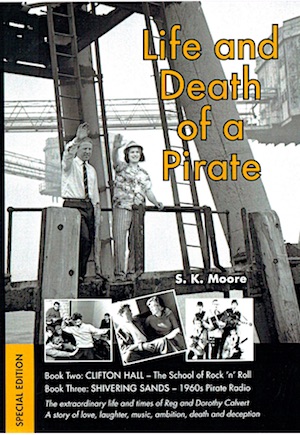
Reg Calvert was one of the most influential characters in the rock and roll business. his early and wholly unnecessary death, appalled millions.
Reg's murder by the hand of one of his business rivals who tried to steal his radio station from him, not only robbed his young family of a father and husband, it took one of the most revered managers of groups, it took the leader of one of the most unique offshore radio stations.
Reg's murder was the excuse needed by Harold Wilson and Tony Benn to bring in laws to close down offshore radio, at the time tuned to by around half the UK's population.
The true story of Reg's career are told in a rivetting trio of stories by his daughter Susan.
The story of Reg's early life is told in POPCORN to Rock'n'Roll.
Parts 2 and 3 of the trilogy are combined into one book:
Book Two
CLIFTON HALL
the school of Rock n Roll
describes how Reg bought a fine old country manor near Rugby where he schooled many groups in the art of rock and roll. These included hit makers such as The Fortunes, Pinkerton's Assorted Colours and Screaming Lord Sutch.
Many of them groups lived in the spacious Clifton Hall along with Reg's wife Dorothy and his daughters Candy and Susan. Reg's family played a big part in all his music and radio adventures, which included running dances with the artistes at various venues across the Midlands.
The true story of a RocknRoll pioneer
who was murdered by a competitor
told in a trilogy of books by his daughter Susan
Reg Calvert was one of the most influential characters in the rock and roll business. his early and wholly unnecessary death, appalled millions.
Reg's murder by the hand of one of his business rivals who tried to steal his radio station from him, not only robbed his young family of a father and husband, it took one of the most revered managers of groups, it took the leader of one of the most unique offshore radio stations.
Reg's murder was the excuse needed by Harold Wilson and Tony Benn to bring in laws to close down offshore radio, at the time tuned to by around half the UK's population.
The true story of Reg's career are told in a rivetting trio of stories by his daughter Susan.
The story of Reg's early life is told in POPCORN to Rock'n'Roll.
Parts 2 and 3 of the trilogy combined into one book:
CLIFTON HALL
the school of Rock n Roll
describes how Reg bought a fine old country manor near Rugby where he schooled many groups in the art of rock and roll. These included hit makers such as The Fortunes, Pinkerton's Assorted Colours and Screaming Lord Sutch.
Many of them groups lived in the spacious Clifton Hall along with Reg's wife Dorothy and his daughters Candy and Susan. Reg's family played a big part in all his music and radio adventures, which included running dances with the artistes at various venues across the Midlands.
The true story of a RocknRoll pioneer
who was
murdered by a competitor
told in
a trilogy of books
by Reg's daughter Susan
This solemn, rhythmic intonation of the shipping forecast on BBC Radio Four four times a day, is as familiar as the sound of Big Ben chiming the hour. Since its first broadcast in the 1920s it has inspired poems, songs and novels in addition to its intended objective of warning generations of seafarers of impending storms and gales.
Sitting at home while listening to the shipping forecast can be a reassuring experience. There's no danger of a westerly gale eight, veering southwesterly increasing nine later (visibility poor) gusting through your average suburban living room, blowing the Sunday papers all over the place and startling the cat. Yet familiar though the sea areas are by name, few people give much thought to where they are or what they contain.
In ATTENTION ALL SHIPPING Charlie Connelly wittily explores the places behind the voice, those mysterious regions whose names seem often to bear no relation to conventional geography. Armchair travel will never be the same again.

Books about Radio History

In 1995 Paul Rusling co-edited a book with his daughter Dawn called Who's Who in British Radio. This was a directory of people working in the radio business, in front of and behind the microphone. This sold so well they published a further edition in 2002 which was around 600 pages long.
The 1996 edition of Who's Who in British Radio is now out of print and the 2002 edition is no longer on sale via bookshops, but we found a case of them in our warehouse and are now offering copies for a mere £6.99, including P&P.
The book is quite a thick one, with 576 pages of text and pictures of many of your favourite radio people. It will give anoraks and radio afficonados many happy hours - it's also educational but hasnt been updated for twenty years so is offered pureley as a reference book and a historical souvenir.