


Welcome to the World of Professional DJs
The DJ professional has advanced trememdously since a few dinner-jacketed guys in the 1920s spun a few shellac discs for "the adoring multitudes".
DJs today can easilly gross up to £50 million a year, with the right management, agency deals, recording and television. This page explains how and gives lots of useful pointers.
Even by the 1960s, there was precious little music to be heard on the radio, no books about DJing and no specialist publications (the first was Ben Cree's Radio & DJ Monthly, in the mid 1970s, followed by Tony Prince's Disco Mix Club in the eigties, which began as a tape distribution service.
DJ training courses only existed in the USA; in Europe DJs had to learn the ropes 'at the knee' of other DJs. Now there are many excellent DJ Training Schools, some much better than most!
Other DJ content



50% extra Data
Click SIM
for details
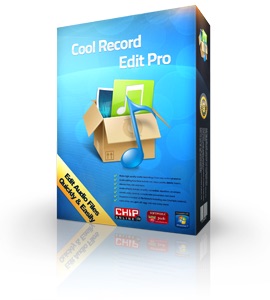
TOP-QUALITY !
Audio Recording and editing software Cool Record Edit helps you transfer tapes, LPs, live performances, Internet radio, TV, DVD, or any other sound source to your hard drive. The software helps protect your valuable recordings--just set the sound source, the recording quality, and volume, then start recording.
(Windows XP only)
Click Box
for details


The full 'behind the scenes' story of Radio Caroline
Updated November 2021
The full 'behind the scenes' story of the world's most famous radio ship
Radio Caroline bible
The Radio Caroline Bible is a chronological history of the world's most famous offshore radio station. It includes the four eras of Caroline, 60s, 70s and 80s, plus the current licensed operation onshore.
The Radio Caroline Bible was written with help from many key Radio Caroline staff, including those who ran the radio station. They tell the secrets about WHY Caroline was started, WHO paid for the ship and equipment, HOW was everything put together, and many other questions are answered in its 558 pages. Now updated to Autumn 2021 with a technical section. This is an essential text for anyone interested in radio.
Full details on the book's website:

Radio Caroline bible
The Radio Caroline Bible is a chronological history of the world's most famous offshore radio station. It includes the four eras of Caroline, 60s, 70s and 80s, plus the cirent period of licensed shore based operation.
The Radio Caroline Bible was written with help from many key radio caroline staff, including thsoe who ran the radio station. They tell the secrets about WHY Caroline was started, WHO paid for the ship and equipment, HOW was everything put together, and many other questions are answered in its 500+ pages. An essential text for anyone interested in radio.
Full details on the book's website:
This book tells the greatest story offshore radio has ever known, RADIO CAROLINE, from its genesis right up to date and the sad death of its founder, Ronan O'Rahilly. 558 pages, and over 300 photographs, many stories and pictures seen in print for the first time.




NEW BOOK
Radio Formats
in the UK and US
Describes over 130 radio station formats in the UK and US and describes how radio programming developed.
CLICK for DETAILS
The story of how radio formats developed in the UK and the US. This new book tells how rigid regulation held up radio in Europe while stations in the US mushroomed and grew, to be worth many times those in the UK, pro-rata to population.
A hundred page paperback book, available immediately from Amazon.

Fascinating formats


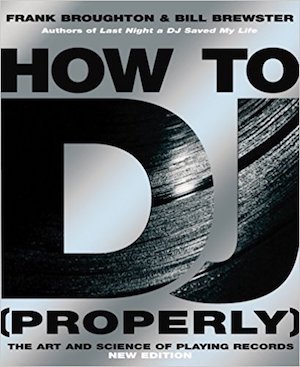
How to DJ Properly
This book forms the perfect introduction for the novice who wants a pair of Technics turntables for Christmas. It contains enough spot-on advice and advanced instruction to be valuable to more experienced DJs.
This is a great book for all aspiring DJs. It's informative, easy to understand for all levels and provides lots of tips and ideas to make it in what is now a very competitive world. But one that can bring untold riches, fame and fortune if you get it right!
Written in an entertaining 'no-bullshit' style, the book is laced with a healthy dose of realism. It shatters some illusions about the dance industry and offers in return some powerfully inspiring visions as it explains the true rewards of the DJ's craft.
How to DJ Properly Includes everything you will ever need to know, from illustrated tutorials on mixing techniques and styles, digital mixing, tips on buying the right equipment and records, advice from superstar DJs aplenty, plus how to make your own tracks and how to throw the best party. Now all you need is to get out of your bedroom and do it! CLICK HERE for details.
This is the next step up where DJs begin to get noticed, either thanks to their style, getting the music right, or more likely, having the right contacts. Press coverage helps a lot, getting your name known by the right agents will get you some good work, but probably not reliable or regularly enough to rely on as a full time job.
Gigs: These are beiginning to pay anywhere from £350–£2000 per gig, depending on how well you have been able to develop your name, your overall profile and how big the clubs are that you are now playing in. Obviously, the smaller size clubs cant afford to pay a DJ too much - it all boils down to what the club can get back , which is invariably going to be on the wet sales - the bar take. You should however now being working at least twice each weekend.
Income - £50,000 a year
Expenses: At this level the club owner or the promoter will probbably be picking up your bar tab and the costs of your appearing - transport and accomodation. Your fee for the gig should therefore be all profit, but you may be having to pay an agent.Youi need to figure on 10% or even 20% of fees.
You may have increased your spending now on more music as you cant afford to be left behind the curve - you need to be ahead of it. You should now be receiving promotion copies and demos of other DJs mixes and they will be free; just keep the record labels up to speed with your gigs and cerrer so they are aware of you.
Music costs £50 a week £2500 a year
Extras: smaller label might sign you up for mixing, + £5,000
Annual Income £50,000–£150,000
WARNING.
When you're earning a lot from your business, you MUST look at it in a business-like manner. You need to keep records of your earnings and your expenditure. You are likely to have to pay VAT as soon as your ANNUAL earnings look like approaching the VAT threshold, which is currently £85,000 a year. Don't be tempted to not pay over VAT, as the taxman will come down VERY heavilly on you. But dont worry, as VAT is charged on top of your fee, that's why its called Value Added Tax.
Promoters and venues don't mind paying VAT, as they get it back from their own input tax. Similarly, you can set any VAT you have to pay, such as for hotels, records, etc, against the VAT you need to pay over to the VAT man. The best thing to do is have a book-keeper or accountant look after this for you - expect to pay them about £2,000 a year, depending how well you keep the financial records yourself. They will probably be able to save you that anyway as a good accountant will know all the tricks, and how to save tax.
Annual income (before tax) £600k –£1.25 million
This is really the new or fledgling DJs who have honed and practiced their skills in the bedroom and maybe a few on local radio stations. They may have done a bit of night promoting or perhaps are playing a regular night at the back of a wine bar. At least word gets around. You're pulling in a reguilar stream of punters.
You often play some gigs for free, as it is the best way to get the exposure, as well as expertise. probably making around £125 a night and playing just a couple of times each weekend.
£120 x 50 sets a year = £6,000 a year
Expenses: Like most local DJs, you probably have to buy your own drinks, and at many venues that can be quite expensive, although if you don't have far to travel, the transport costs may be small. Perhaps the biggest area of outlay is music as you need to keep your set content up to scratch.
Don't forget to add something for your clothing, it is tax deductible and looking the part will help you fit in to the venue better and raise your credibility.
- £40 per week for drinks and taxis
- £10 per week for miscellaneous
- £25 per week on records or downloads
Agent's Fees - Nil (just yet). You should be able to negotiate these gigs direct yourself with the venue managers.
Net annual income (before tax): £2,750
With every great White Isle party comes great talent alongside, and with every great talent comes another who remains undiscovered, just trying to make a name for themselves in the cutthroat world of Balearic raving.
On the flip side, Ibiza also holds a handful of veritable dance institutions. Whether they be past or present, young or old, the history and legacy of Ibiza is riddled with the finest representatives of nightlife culture that the world has ever known.


This takes your career up a notch where you get gigs at festivals and events all over the place. Sadly, they are all some distance from home and you might find that you soon living out of a suitcase or a van and having to fight off groupies and all kinds of invitations and solicitations. The better known you get, the more gigs you get. Better known DJs are now commanding fees of between £2,000 and £5,000 a show and you should be appearing at maybe four gigs a week.
£3,000 x 150 sets a year = £450,000
Expenses: Your agent will probably have got promoters to arrange your air fares,and hotels. Make sure they also have someone get you a work permit or visa where necessary.
Budget to have extra travel fund £10,000
Manager: Allow for 25% for your team but that should include a PA.
Extra help at really big gigs. £50,000
Miscellaneous. You need to be making your own music to get really well known internationally and that means investing in some studio time, and possibly extra equipment. You could have big hits too which could give you a very useful extra stream of income from sales, downloads and from media royalties - both radio and TV play. If your tracks are really good and you can get them placed, there could be extra income from film use or TV commercials.
Royalties £20,000
Commercials £10,000
COSTS studio & kit hire £5,000
Annual income (before tax) £600k –£1.25 million
Superstar DJs can fill huge stadiums and their agents and managers refuse gigs, to stop them burning out. The fees then go up as the workload goes down, but your health should improve quite a bit by this stage! This is the time that you can benefit from the care and attention you have put into your brand, and extend it out into lots of other avenues, where you will get paid simply from lending your name to concepts, products and ideas.
The real superstar DJs earn from £5m to £20 million a year. Calvin Harris has grossed over around $50 million in each of the last five years.
Gigs: The gigs are now huge and they have to be so the promoter can afford to pay you. But with fees from £10k to £25k just for a couple of hours at the big festivals, you only need work one night a week at the top fee level of say £25,000 to pull in £1.25m a year.
£ 1,250,000
EXPENSES: The promoter will be happy to stump up for all your travel and other expenses and your riders should certainly have more pampering than just a free drinks tab.
MANAGER. Your entourage has probably grown quite a bit by now. most superstar DJs will have added their own publicity people, plus Social Media experts and all manner of hangers on. The best of these don't come cheap but they will help you get even more income and be well worth the amount they will cost you, around £100,000.
EXTRAS: Product endorsement revenue can be very lucrative, the fees are always very negotiiable.
Sponsorship & endorsements £500,000
One Nighters £250,000
+Record Sales £100,000
Annual income (before tax) £4m–£50m
The 2020 Top 10
Ibiza DJ legends



What does a professional DJ earn?
Writer and dreamweaver (and dad!) Peter Walker wrote a great article for Mix Mag last year about the various kinds of club DJs and how much they are likely to make. We've brought this up to date and added our own thoughts and ideas and a lot of other expertise too. Hopefully you will find this interesting. To our friends around the industry, please feel free to amend these four main sectors and make this as up to date as possible - for which we offer our readers' genuine thanks.
The figures below are approximate and are offered just as to a guide of the kind of figures you might expect to earn in each of the four strata of the DJ world.
1. Jose Padilla
2. DJ Alfredo
3. Paul Oakenfold
4. Danny Rampling
5. Pete Tong
6. Carl Cox
7. Steve Lawler
8. Luciano
9. Judge Jules
10. Dave Pearce
Lex van Aken's Deep House Amsterdam is one of the best organisations in the DJ world. Here, editor Steve lists the ten most legendary DJs on the Ibiza scene.
1. NEWBIES Club DJs (Local residencies)
3. TIRELESSLY TOURING
2 'MOVING UP' Club DJs
4. SUPERSTARS


Welcome to the
World of Professional DJs
The DJ professional has advanced trememdously since a few dinner-jacketed guys in the 1920s spun a few shellac discs for "the adoring multitudes".
DJs today can easilly gross up to £50 million a year, with the right management, agency deals, recording and television. This page explains how and gives lots of useful pointers.
Even by the 1960s, there was precious little music to be heard on the radio in Britain. There were no books about DJing and no specialist publications (the first was Ben Cree's Radio & DJ Monthly, in the mid 1970s, followed by Tony Prince's Disco Mix Club in the eigties, which began as a tape distribution service.
DJ training courses only existed in the USA; in Europe DJs had to learn the ropes 'at the knee' of other DJs. Now there are many excellent DJ Training Schools, some much better than most!
What's a professional DJ earn?
Writer and dreamweaver (and dad!) Peter Walker wrote a great article for Mix Mag last year about the various kinds of club DJs and how much they are likely to make. We've brought this up to date and added our own thoughts and ideas and a lot of other expertise too. Hopefully you will find this interesting. To our friends around the industry, please feel free to amend these four main sectors and make this as up to date as possible - for which we offer our readers' genuine thanks.
The figures below are approximate and are offered just as to a guide of the kind of figures you might expect to earn in each of the four strata of the DJ world.



Professional
Disc Jockeys'
Earnings
Copyright (c) 2011 - 2023
World of Radio Ltd
Registered in England and Wales # 8503418.
Reproduction strictly prohibited.
All Rights Reserved.